Choosing the Right Intermodal Partner
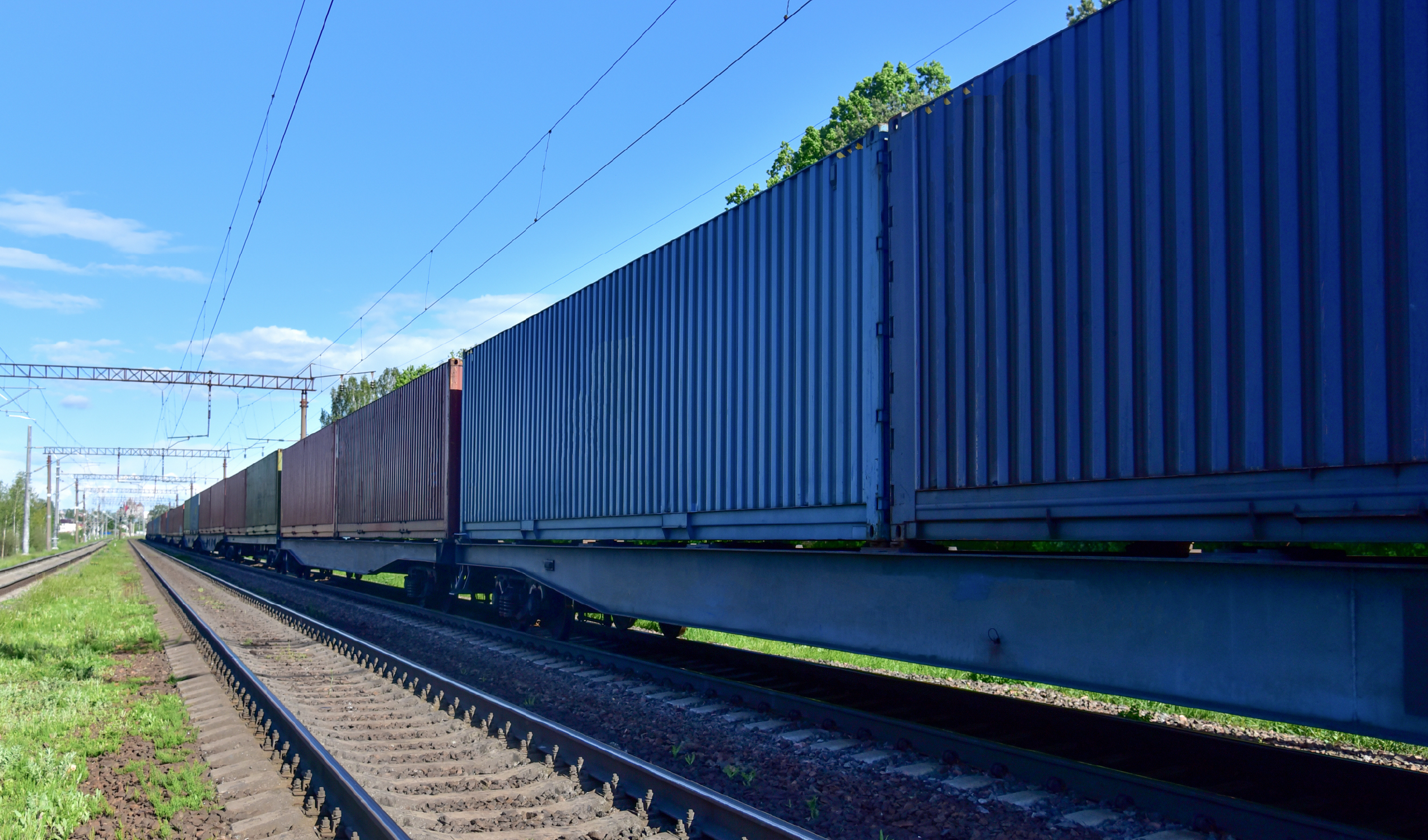
Those in logistics know how important intermodal shipping can be. It offers additional capacity at a competitive price by efficiently using both rail and truck to service various markets. With the right intermodal partner, you can save money, improve reliability, and ship in a more eco-friendly way.
In an ideal situation, shippers would have a partner with access to all Class I railroads across North America and proven experience optimizing routes for cost-effectiveness. Equally important are strong drayage relationships that ensure containers are brought to and delivered from the rail safely. Together, these components provide the reliability shippers need while supporting a smaller carbon footprint.
Six Factors to Consider
Lane Suitability — The route your freight travels from origin to destination is called its “lane,” and not all lanes are ideal for intermodal. Longer hauls and consistent freight volumes perform best. It’s important, therefore, to evaluate whether converting from over-the-road shipping to rail will generate meaningful savings.
Rail Network Access — Having connections to multiple Class I railroads is critical because it allows for flexibility, reliability, and backup options in case there are delays.
Equipment Availability — Intermodal equipment includes domestic containers (53′) and ocean containers (20′, 40′, and 45′). It’s vital to work with a partner that can ensure sufficient containers are available, especially during peak seasons.
Drayage Coverage and Reliability — Drayage is the local transportation that connects freight between the rail or port and the customer. Shippers need reliable drayage options in all markets to help ensure consistent service and dependable capacity when it matters most.
Transit Time vs. Cost Tradeoffs — Intermodal shipping balances cost efficiency with transit speed. Some lanes may be slower than over-the-road shipping, but provide significant savings. A reliable shipping partner can help align your route choices with customer delivery commitments and overall supply chain priorities.
Sustainability Goals — Rail reduces carbon emissions compared to long-haul trucking. That supports corporate sustainability initiatives so you can meet ESG and environmental goals, and keep transportation cost-effective.
The Importance of Choosing an Experienced Partner
Who you partner with for your intermodal transport is critical. You need an experienced team that can optimize routes, manage capacity, and reduce disruptions — someone like Genex. As one of the first Intermodal Marketing Companies, we have decades of expertise. We give shippers access to all major railroads, tap a wide equipment pool, and deliver the cost savings, reliability, and eco-friendly transportation you seek.